Table of contents
Modern technology is dramatically transforming the way emergency responses are managed, making them faster, smarter, and more efficient. With innovative tools and digital solutions entering the field, rescuers and responders now have unprecedented resources at their fingertips. Dive into the following sections to uncover how these technological advances are shaping the future of emergency management and potentially saving countless lives.
Real-time communication networks
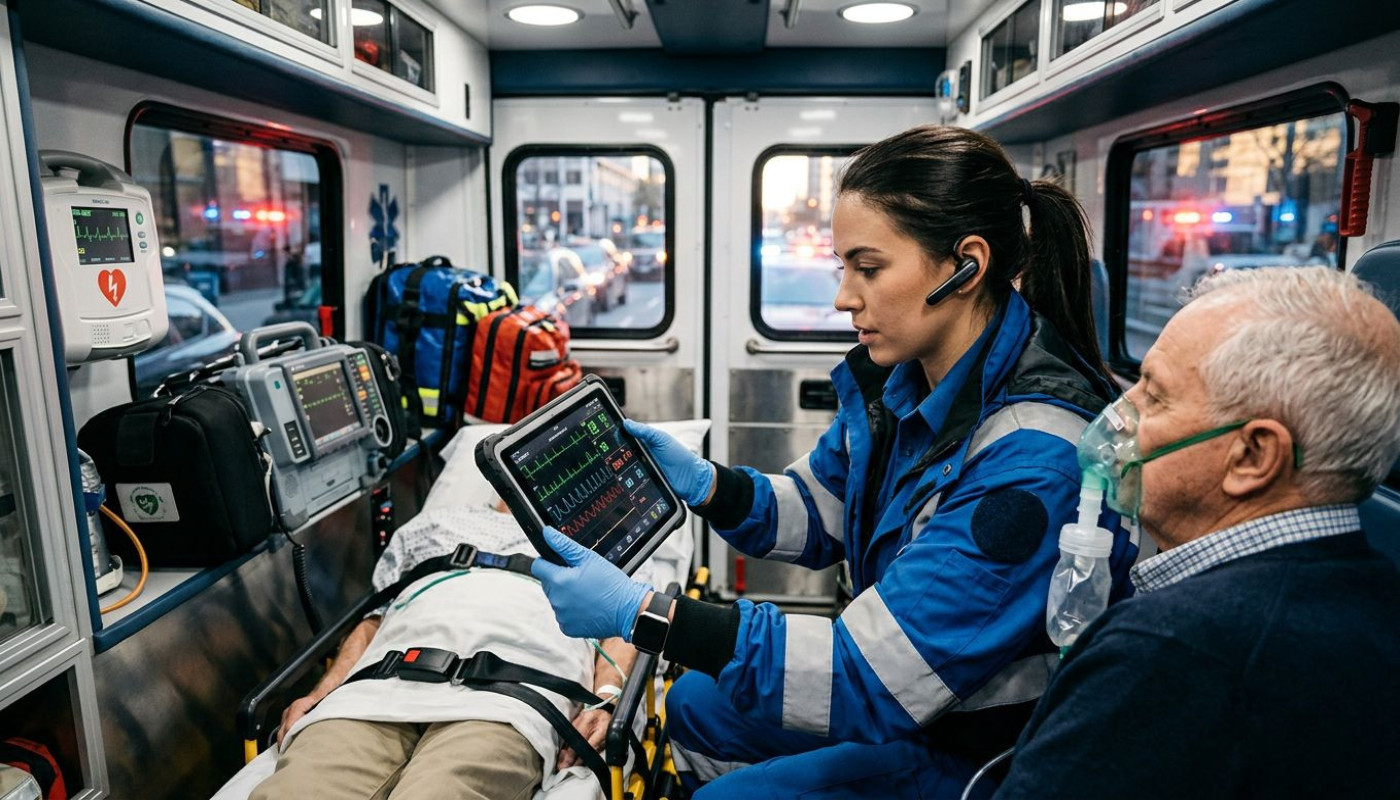
Real-time communication networks have dramatically enhanced emergency response effectiveness by providing seamless emergency communication and data exchange among agencies, field teams, and dispatch centers. The deployment of robust digital networks allows first responders to access and share real-time data across jurisdictions, enabling rapid situational assessment and faster resource allocation during critical incidents. Advanced interoperability between different communication systems—such as radio, mobile broadband, and IoT-enabled platforms—ensures that fire, police, EMS, and other emergency services can coordinate without technical barriers, regardless of their location or equipment. This integrated approach accelerates incident management by allowing instant updates, live video feeds, and the transmission of vital information from the scene to command centers, supporting informed decision-making and optimizing operational efficiency.
The adoption of cutting-edge digital networks also strengthens emergency communication resilience, reducing downtime and vulnerability to infrastructure failures during disasters. Through network redundancy, priority access protocols, and secure data channels, these systems maintain connectivity even in high-traffic or compromised environments. The ability to collect, analyze, and distribute real-time data empowers first responders to identify threats, track personnel, and adapt to evolving situations on the ground. By bridging communication gaps and standardizing protocols, real-time communication networks are redefining the capabilities and safety of emergency services, setting new benchmarks for speed, collaboration, and outcomes in incident management.
Location tracking and mapping
Advances in GPS technology and sophisticated mapping systems have dramatically improved the efficiency and coordination of emergency response operations. Emergency location tracking now allows responders to pinpoint the exact whereabouts of incidents, assets, and personnel, even across complex urban or remote environments. Real-time geospatial intelligence, generated by integrated geographic information systems (GIS), provides crucial data for disaster management teams, enabling dynamic situational awareness. This information helps responders identify hazard zones, establish safe routes, and allocate resources where they are most needed—significantly enhancing responder safety and operational effectiveness.
Modern mapping systems not only support route optimization for ambulances and fire trucks but also enable decision-makers to visualize unfolding emergencies on digital dashboards. Such technology speeds up response times by offering up-to-the-minute updates and predictive analytics, ensuring that coordinated action replaces guesswork. In some cases, innovations in location services have crossed over into other industries, as seen with casinos not on GAMSTOP utilizing advanced mapping for user management and security. These developments, rooted in the expertise of GIS professionals, underscore how geospatial intelligence is now a cornerstone in both public safety and organizational resilience.
Artificial intelligence in emergencies
Artificial intelligence is fundamentally transforming the landscape of crisis response through advanced emergency prediction tools and data analysis capabilities. By leveraging machine learning, AI algorithms process vast datasets from sensors, social media, and communication networks, enabling authorities to identify patterns and potential threats before they escalate. This approach not only enhances situational awareness in real-time but also supports rapid, informed decision-making during emergencies. Machine learning models can forecast the progression of natural disasters or detect anomalies in public health trends, offering a proactive edge. In reactive scenarios, artificial intelligence streamlines resource allocation, routes emergency services more efficiently, and automates communication channels to affected populations. As emergency prediction and crisis response evolve with these advancements, communities benefit from faster, more accurate interventions that ultimately save lives and minimize disruption.
Drones and robotics support
Drones in emergencies have become transformative tools, providing rapid situational awareness where traditional methods fall short. Unmanned aerial vehicles equipped with high-resolution cameras and thermal imaging can quickly cover disaster zones, identifying hazards, mapping damage, and locating victims far more efficiently than ground teams alone. Rescue robotics further extend these capabilities by navigating hazardous environments such as collapsed structures or contaminated areas, sending real-time data to command centers which enables precise disaster assessment and resource allocation. Emergency technology now leverages advanced sensors, AI-driven navigation, and communication relays to allow autonomous systems to access places that are unsafe or inaccessible for humans, reducing response time and increasing operational safety. Autonomous systems can also deliver supplies, relay communications, and assist with victim extraction, ensuring responders can focus efforts where human expertise is most needed. The integration of drones in emergencies and rescue robotics illustrates how cutting-edge emergency technology is fundamentally reshaping the landscape of disaster response and victim assistance.
Data integration and information sharing
Data integration is transforming emergency operations by breaking down silos between agencies and creating seamless emergency information sharing. With advanced data platforms, diverse responders can access and contribute critical real-time information, leading to improved multi-agency coordination during complex incidents. The deployment of integrated systems enables the creation of a common operating picture, which provides all stakeholders with situational awareness, resource status, and evolving threats. This shared understanding enhances decision-making, shortens response times, and ensures that efforts are aligned, particularly during large-scale emergencies. As more agencies embrace interoperable technologies, the ability to aggregate and disseminate data from multiple sources becomes a driving force in achieving coordinated and efficient emergency response strategies.
Multi-agency data platforms now support the secure exchange of structured and unstructured data, ranging from geospatial mapping to live video feeds, allowing emergency operations centers to quickly assess conditions and allocate resources where most needed. Emergency information sharing protocols standardize the way data is formatted and transmitted, eliminating confusion and duplication of effort. These advancements in data integration are fostering collaboration across agencies, jurisdictions, and even international borders, promoting resilience and adaptability in the face of evolving threats. The rise of unified platforms is not only streamlining communication but also setting a new standard for operational excellence in emergency response.
Similar articles