Table of contents
Sustainable practices are reshaping the landscape of modern casino design, offering more than just aesthetic appeal. The integration of eco-friendly innovations signals an exciting shift in how entertainment spaces are built and operated. Explore how these advancements are not only reducing environmental impact, but also setting new standards for luxury and efficiency in the gaming industry.
Energy efficiency at the core
Energy-efficient casinos are setting new benchmarks in sustainability, with energy efficiency now serving as the foundation of modern sustainable casino design. A primary strategy adopted by eco-conscious entertainment venues involves the use of high-performance building envelopes, a technical term referring to the physical barrier between a building’s interior and exterior. This includes walls, roofs, windows, and doors carefully engineered to minimize heat transfer, thus dramatically reducing the demand on heating and cooling systems. Advanced insulation materials and triple-glazed windows are standard features, ensuring that energy loss is kept to an absolute minimum and indoor comfort is maximized.
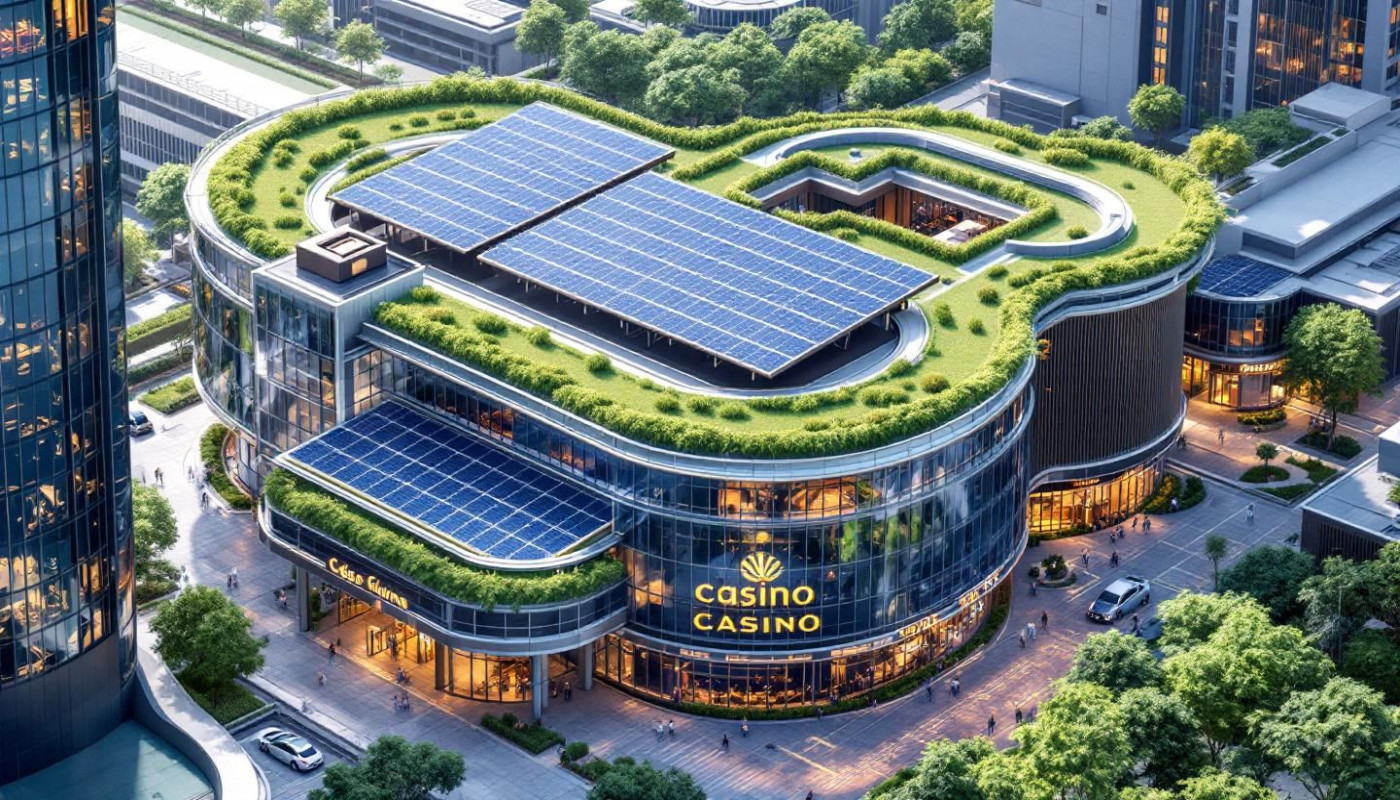
Green building technology is further exemplified by the widespread incorporation of LED lighting systems throughout gaming floors and common areas. These fixtures consume far less power and offer greater longevity compared to traditional lighting solutions. Smart HVAC systems, equipped with real-time sensors and adaptive controls, fine-tune air quality and temperature based on occupancy patterns, cutting unnecessary energy expenditure. Many new projects also prioritize renewable energy in casinos, integrating solar panels, geothermal heating, or wind turbines to supply a significant portion of operational power. Collectively, these measures support a holistic approach to minimizing environmental impact while providing a cutting-edge, responsible guest experience in the evolving world of sustainable casino design.
Water conservation strategies
Modern water-saving casinos are at the forefront of sustainable water management, integrating advanced solutions to reduce consumption and promote eco-friendly casino operations. Low-flow fixtures, such as faucets, toilets, and showers, are widely installed to minimize water use without sacrificing guest comfort. Additionally, greywater recycling systems have become a cornerstone of casino sustainability, enabling the reuse of gently used water from sinks, showers, and laundry for non-potable purposes like irrigation and flushing toilets. This innovative approach not only conserves freshwater resources but also cuts operational costs—a significant benefit for large hospitality venues.
Green casino landscaping is another priority, with many establishments choosing drought-tolerant plants and smart irrigation systems to reduce outdoor water demand. These measures support eco-friendly casino operations by preventing overuse of local water supplies and decreasing the need for chemical fertilizers and pesticides. In sum, sustainable water management in casinos is both an environmental and operational imperative, ensuring that luxurious hospitality can coexist with responsible resource stewardship. These integrated practices make casino sustainability a model for reducing environmental impact while maintaining high guest satisfaction.
Sustainable materials selection
Sustainable casino materials now stand at the forefront of modern casino design, as developers increasingly opt for eco-friendly building materials and recycled materials in casinos to reduce their overall environmental footprint. In the context of green casino design, the selection of materials is often guided by life cycle assessment, a method used to evaluate the environmental impact of a product from the extraction of raw materials through manufacturing, use, and eventual disposal. By integrating this scientific approach, designers and architects can make informed decisions that not only lower carbon emissions but also enhance long-term operational efficiency. For instance, incorporating rapidly renewable resources such as bamboo or reclaimed wood into both structural and decorative elements supports sustainable interior design, while specifying recycled steel or glass for architectural details reduces the demand for virgin resources and landfill waste.
Guest perception is another vital factor influenced by sustainable materials selection, as many casino visitors now show preference for venues that visibly embrace eco-friendly initiatives. Transparent communication about the origins and environmental benefits of these materials can significantly boost brand loyalty and patronage, especially among environmentally conscious demographics. This commitment to responsible sourcing is closely tied to overall branding strategies, including art styles in casino branding, which can be explored further at home. By prioritizing both the aesthetic and ecological credentials of building components, casinos set new standards for responsible luxury and innovation in the hospitality and gaming industry.
Indoor air quality improvements
Modern casinos are adopting innovative strategies to elevate indoor air quality casinos can offer by integrating advanced sustainable casino ventilation systems and selecting healthier building materials. Notably, the installation of high-efficiency HVAC filtration stands out; this technology refers to heating, ventilation, and air conditioning systems equipped with filters that capture airborne particles and contaminants. By using sophisticated filters, these systems remove dust, allergens, and even volatile organic compounds (VOCs) from the circulated air, leading to a healthier casino design. In addition, contemporary venues increasingly opt for low-VOC materials in casinos, such as paints, carpets, and adhesives that emit fewer harmful chemicals, further reducing indoor air pollution.
Another progressive measure involves the incorporation of live plants into public and gaming areas, which naturally assist in air purification in casinos by absorbing toxins and releasing oxygen. These collective approaches not only enhance guest comfort—ensuring a more pleasant and inviting environment—but also directly support employee well-being by minimizing exposure to airborne irritants and potential health hazards. The synergy of sustainable casino ventilation, low-VOC construction materials, and biophilic design elements demonstrates a clear commitment to both environmental responsibility and the creation of healthy, enjoyable spaces for all occupants.
Waste reduction and recycling
Modern casinos are adopting advanced waste reduction strategies as part of comprehensive sustainable casino practices. Through dedicated casino waste management programs, operators are integrating recycling in casinos by establishing source separation systems, allowing for efficient sorting of recyclables, compostables, and landfill waste. This practice not only supports green waste reduction but also enables eco-friendly casino operations by minimizing contamination and increasing the recovery of valuable materials. Implementation of digital solutions, such as e-tickets and electronic receipts, further decreases paper dependency, while composting initiatives divert organic waste away from landfills. The environmental gains include reduced greenhouse gas emissions and conservation of resources, while operationally, casinos benefit from lowered waste disposal costs and improved public image. These adaptations demonstrate that zero-waste methods can be effectively scaled to commercial properties like casinos, setting new industry standards for sustainability.
Similar articles